Book a meeting

Chest AI for Chest CT: Pulmonary Embolism and Aortic Dissection

Chest CT is not one exam. Suspected pulmonary embolism requires a dedicated CTPA with pulmonary timing. Incidental pulmonary embolism appears on contrast-enhanced chest, abdominal or chest-abdomen-pelvis scans with non-arterial timing, ordered for other reasons. Aortic dissection requires aortic CTA. Each situation requires a different scan and a different algorithm. Each tool was built and validated for its specific protocol.

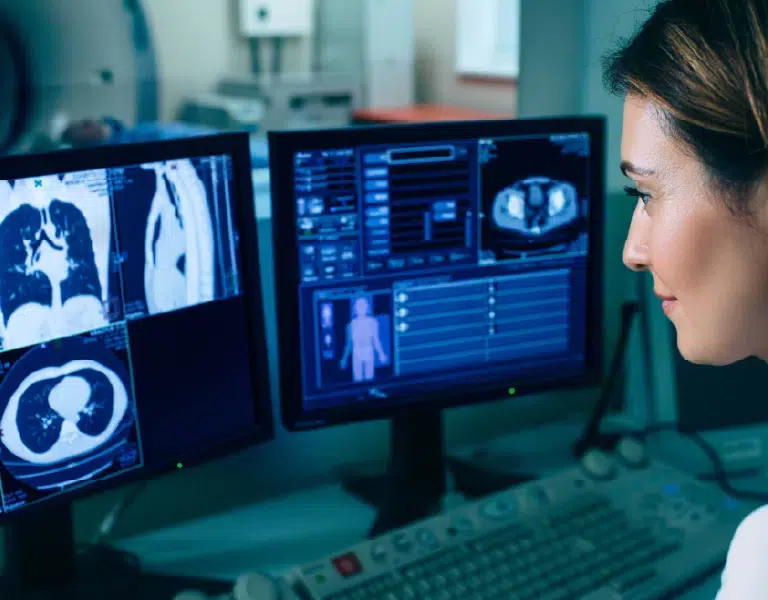
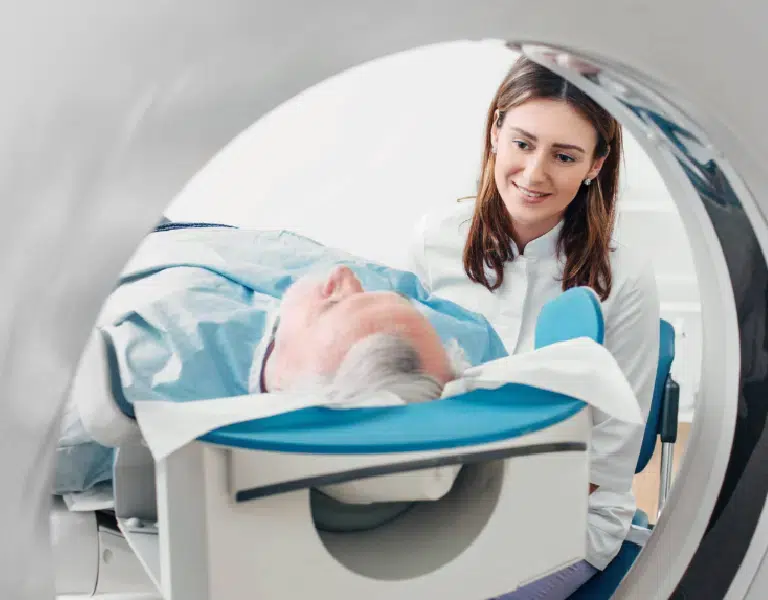
radiologist reviewing chest ct images in the reading room
Three tools

Purpose-built for their protocol.

Suspected pulmonary embolism on CTPA

CINA-PE

A dedicated CTPA is ordered when PE is suspected. CINA-PE flags it automatically and notifies the radiologist within a mean of one minute, before interpretation begins.

91.1% sensitivityFDA 510(k) standalone performance study
CE-marked MDR IIbFDA-cleared Class II
View CINA-PE →
Incidental PE on contrast-enhanced CT

CINA-iPE

PE isn’t suspected: the scan is acquired for staging or another indication, with non-arterial timing. CINA-iPE was built for exactly this context, flagging incidental clots before discharge.

97.3% sensitivity · 97.7% specificityAmmari et al., Life, 2024
CE-marked MDR IIbFDA-cleared Class II
View CINA-iPE →
Aortic dissection

CINA-AD

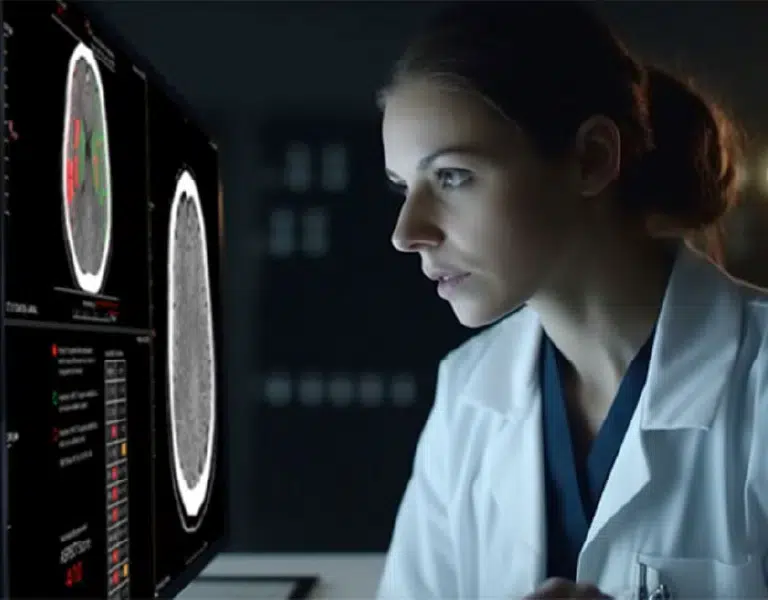
Type A or Type B decides emergency surgery versus medical management. CINA-AD flags suspected dissection within seconds, and delivers the Stanford classification outside the United States.

27.9 s to notificationLaletin et al., Diagnostics, 2024
CE-marked MDR IIbFDA-cleared Class II
View CINA-AD →
Figures as reported by each study or regulatory submission.

CINA-PE or CINA-iPE

Two tools, two points where PE can slip through.

Both detect pulmonary embolism, but for different clinical situations. Together, they cover both: the suspected PE that must be read first, and the unsuspected PE that can be overlooked.

Most hospitals that deploy one eventually deploy both, since running both closes both gaps.

Testimonial

A Customer’s Perspective

“In addition of being a high-performance software, Avicenna.AI gives access to patient results usually within 2 to 5 minutes, thus allowing radiologists to accelerate time of interpretation, providing a better service for our hospitals and better patient outcomes.”
paul cayot
Paul CayotSales Director, Telediag Teleradiology Network (France)
FAQ

Your questions, answered

Do I need to deploy all three tools together?

No, each deploys independently. Running all three covers chest emergencies end to end on the protocols your department already acquires.

Does this integrate with our existing PACS?

Yes. All three tools integrate via standard DICOM and run automatically on qualifying scans, with no manual trigger and no change to your existing workflow.

Who makes the final call?

The radiologist, always. CINA flags and prioritizes suspected cases so they reach the right reader faster. Every case is still reviewed, interpreted and confirmed by a radiologist.

Get in touch

Let’s talk about your workflow.

Tell us about your challenges and clinical routine. We will show you which CINA tools fit, and how they plug into your PACS.

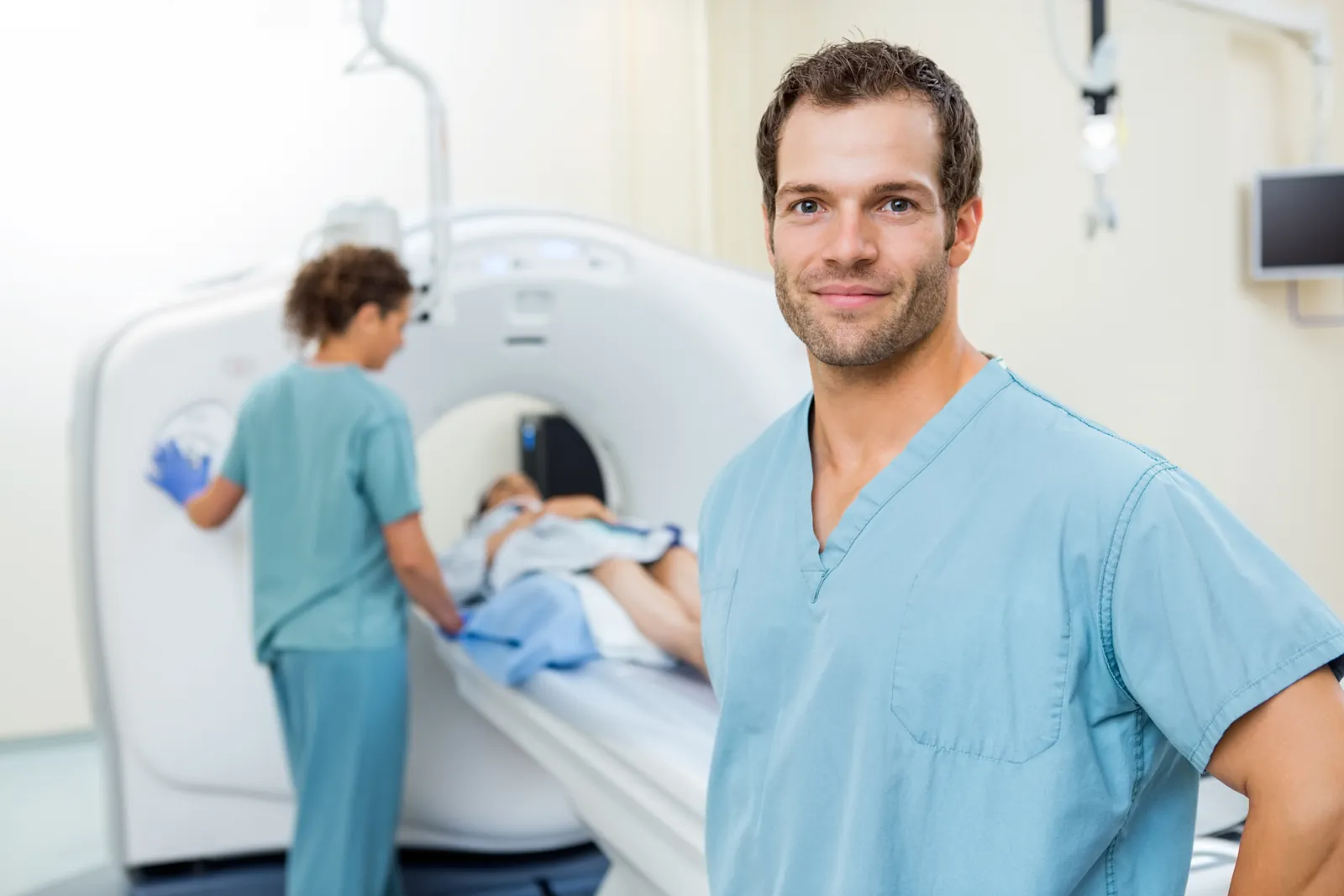
CT technologist next to a CT scanner, a colleague preparing a patient for the scan
Stay informed

Newsletter

Get the latest updates and insights from Avicenna.AI.

HubSpot formThe newsletter form loads here.