Nine AI tools for CT. Detect, quantify, prioritize.
From the first emergency scan to the finding nobody was looking for, CINA tools analyze every CT in the background and send positive findings to your PACS within minutes. Peer-reviewed studies measure their real clinical benefit once implemented in clinical routine.
Critical when it’s urgent, caught when it’s unexpected.
Some CT scans answer an urgent clinical question. Others hold a finding nobody asked about. CINA covers both, on the scans your department already acquires.
Critical cases, read first.
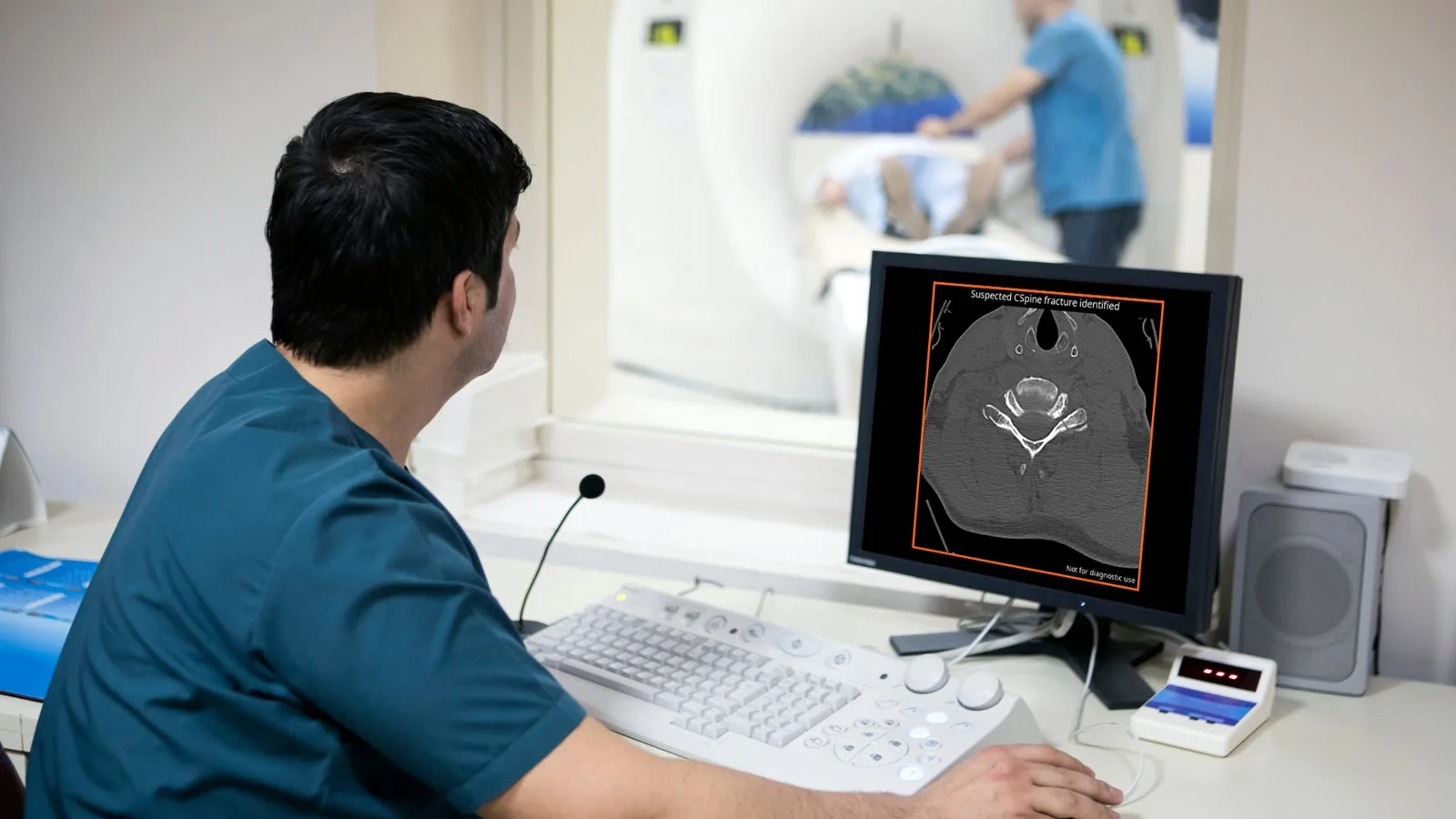
Stroke, pulmonary embolism, aortic dissection, cervical fracture. CINA flags suspected critical findings as soon as the scan is acquired and moves them up the worklist, so the radiologist reads them first.
Flagged before the report is signed.
A scan ordered for oncology staging or a routine workup can hold a pulmonary embolism or a vertebral fracture. CINA flags it before the report is signed, so nothing is overlooked. No extra scan is needed: the analysis runs on the CT already acquired for another indication.
Measured in clinical routine.
Beyond detection performance, peer-reviewed studies measure the real clinical benefit of CINA tools once implemented in hospitals’ daily routine.
Four-hospital US health system: time-to-consult and in-hospital mortality measured before and after CINA-PE.
High-volume tertiary center: effect of earlier notification on anticoagulation and PERT team mobilization.
Multi-reader, multi-case study: effect of AI-assisted notification on the time from scan acquisition to a completed clinical assessment.
In a real-world emergency stroke workflow, average radiologist reading time was 6.5x faster, without loss of accuracy.
Radiologist turnaround time reduced in the emergency department, with accuracy maintained.
1,556 stage IV cancer patients: 83.5% of the AI-flagged fractures confirmed by experts were absent from the original reports.
Each tool, built for one clinical question.
 CINA-ICH
Intracranial hemorrhage
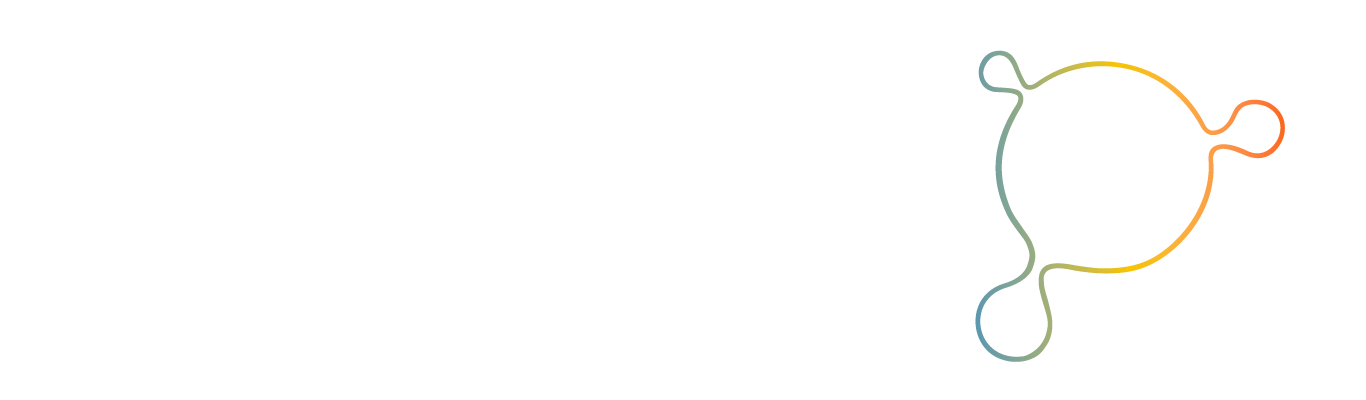
Suspected hemorrhage flagged before the radiologist opens the case, on every non-contrast head CT.FDACEView tool →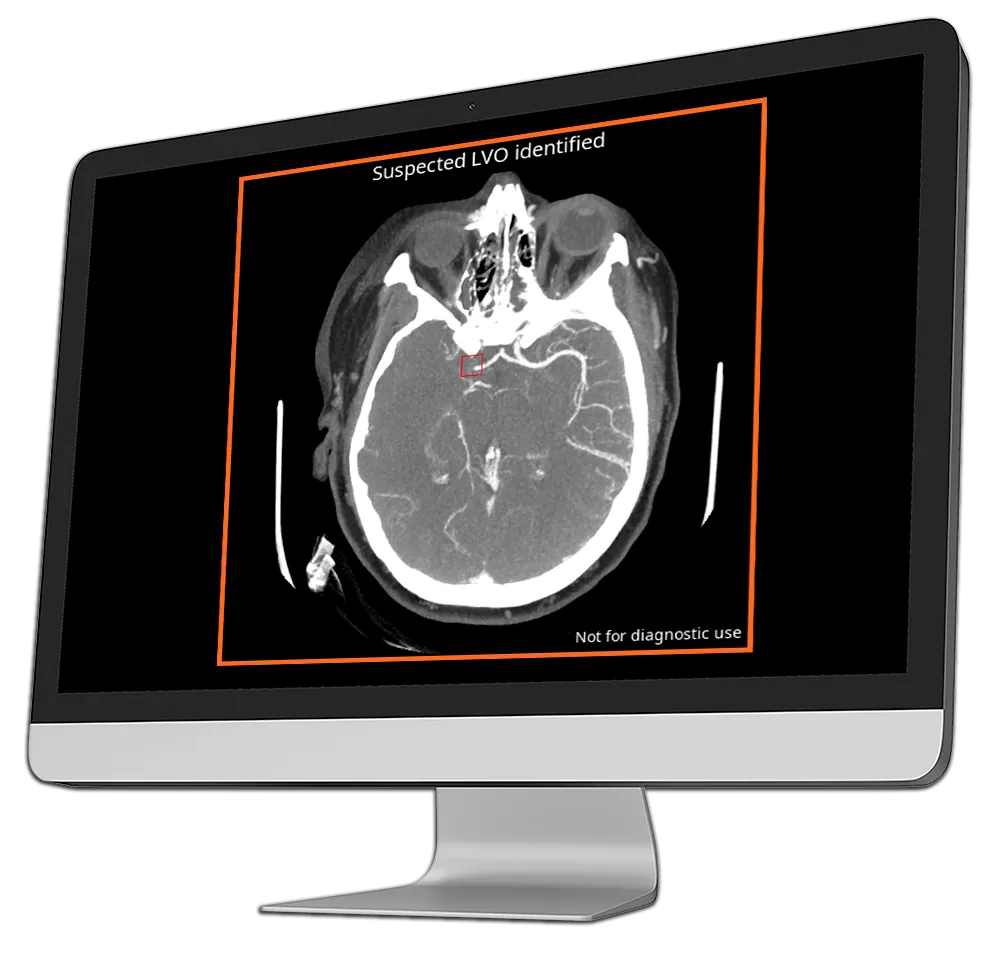 CINA-LVO
Large vessel occlusion
Suspected occlusion flagged as soon as the CT angiography is acquired, so the case is read first.FDACEView tool →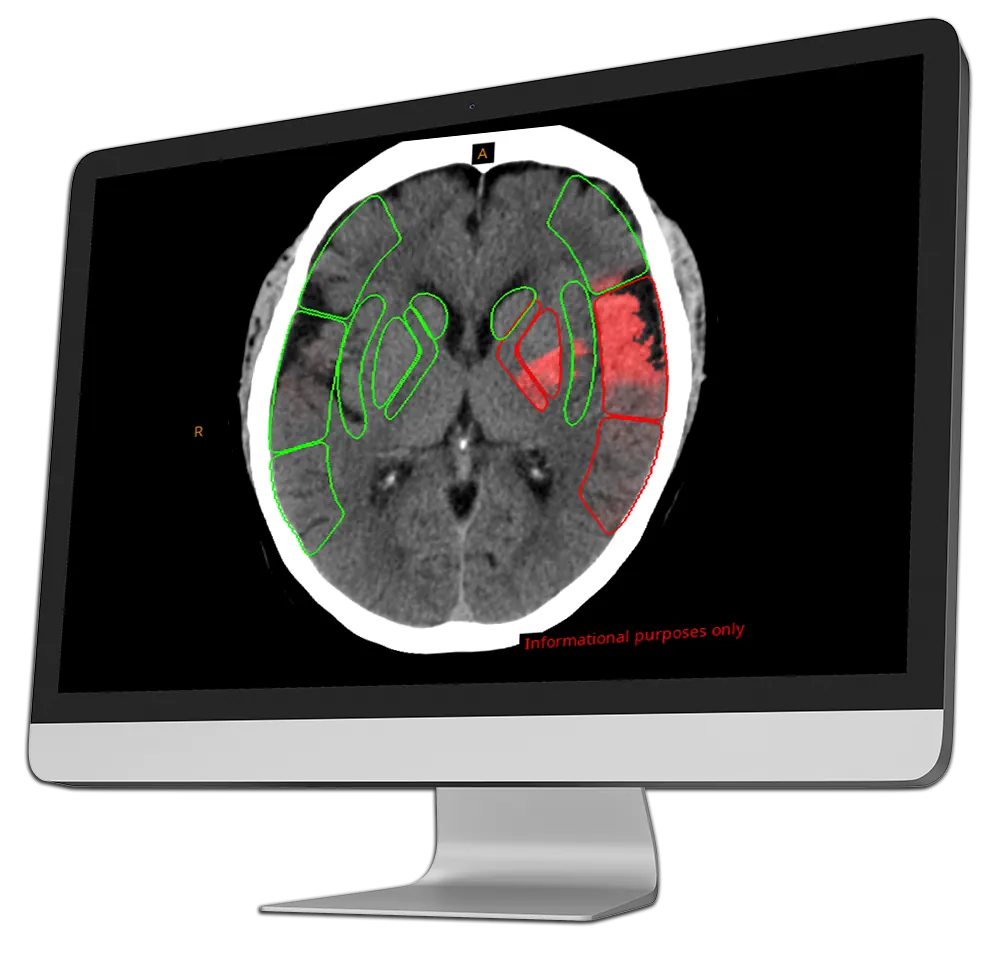 CINA-ASPECTS
ASPECTS scoring
The same automated score on every scan, a key input for thrombectomy and thrombolysis decisions.FDACEView tool →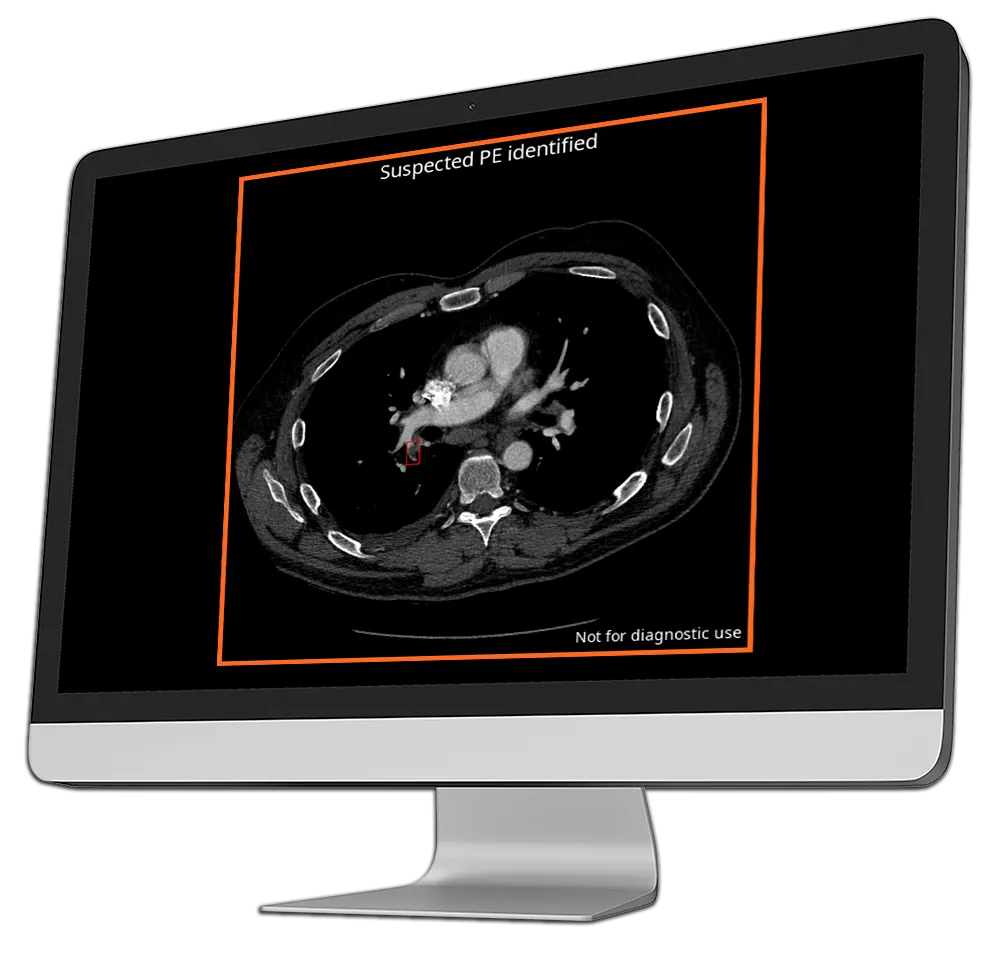 CINA-PE
Pulmonary embolism
The radiologist is notified within a mean of one minute, before interpretation begins.FDACEView tool →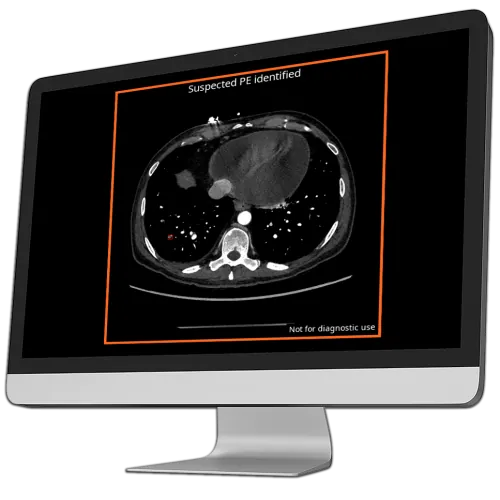 CINA-iPE
Incidental pulmonary embolism
Incidental clots on staging or follow-up scans flagged within a mean of 1.5 minutes of scan acquisition.FDACEView tool →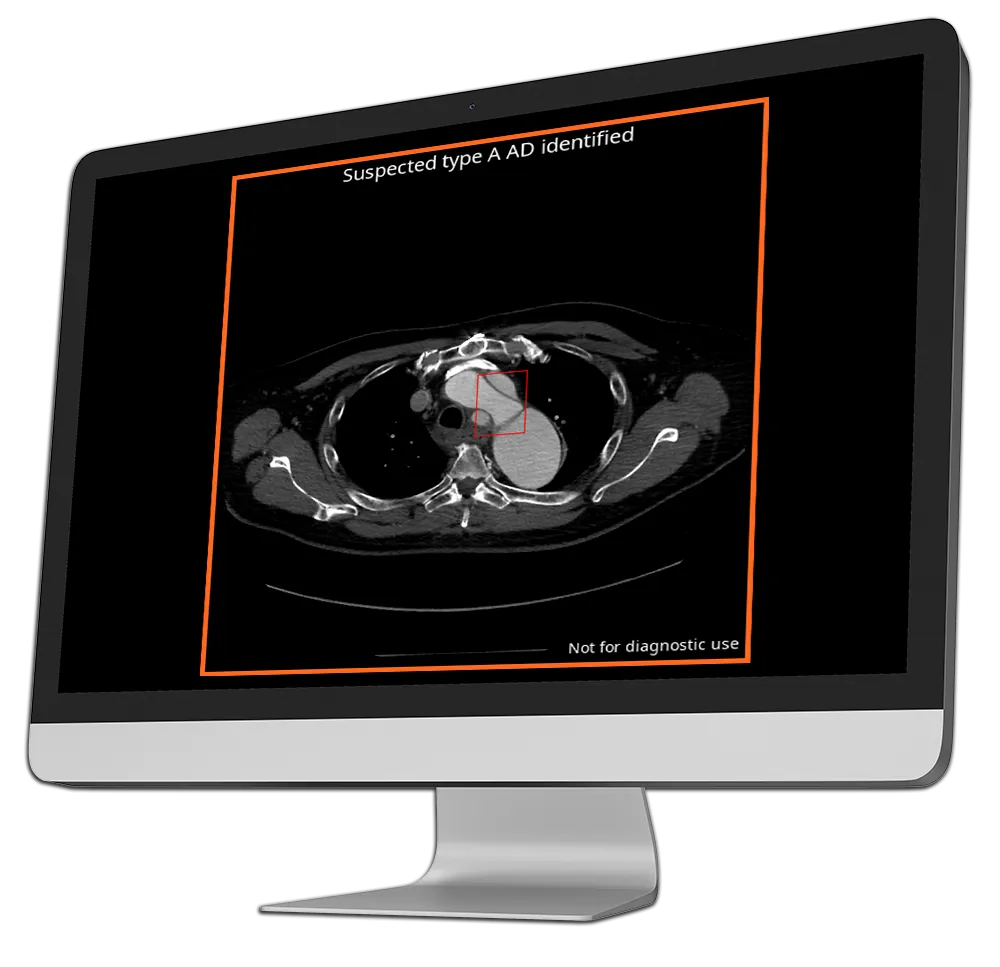 CINA-AD
Aortic dissection
Suspected dissection flagged within seconds, with the Stanford classification outside the United States.FDACEView tool →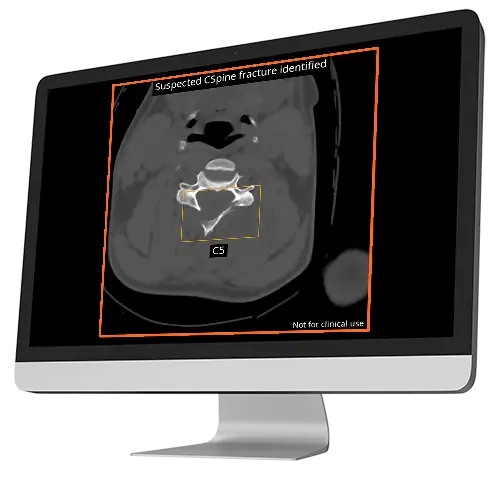 CINA-CSpine
Cervical spine fracture
Suspected fractures from C1 to C7 go to the top of the worklist as soon as the scan lands.FDACEView tool →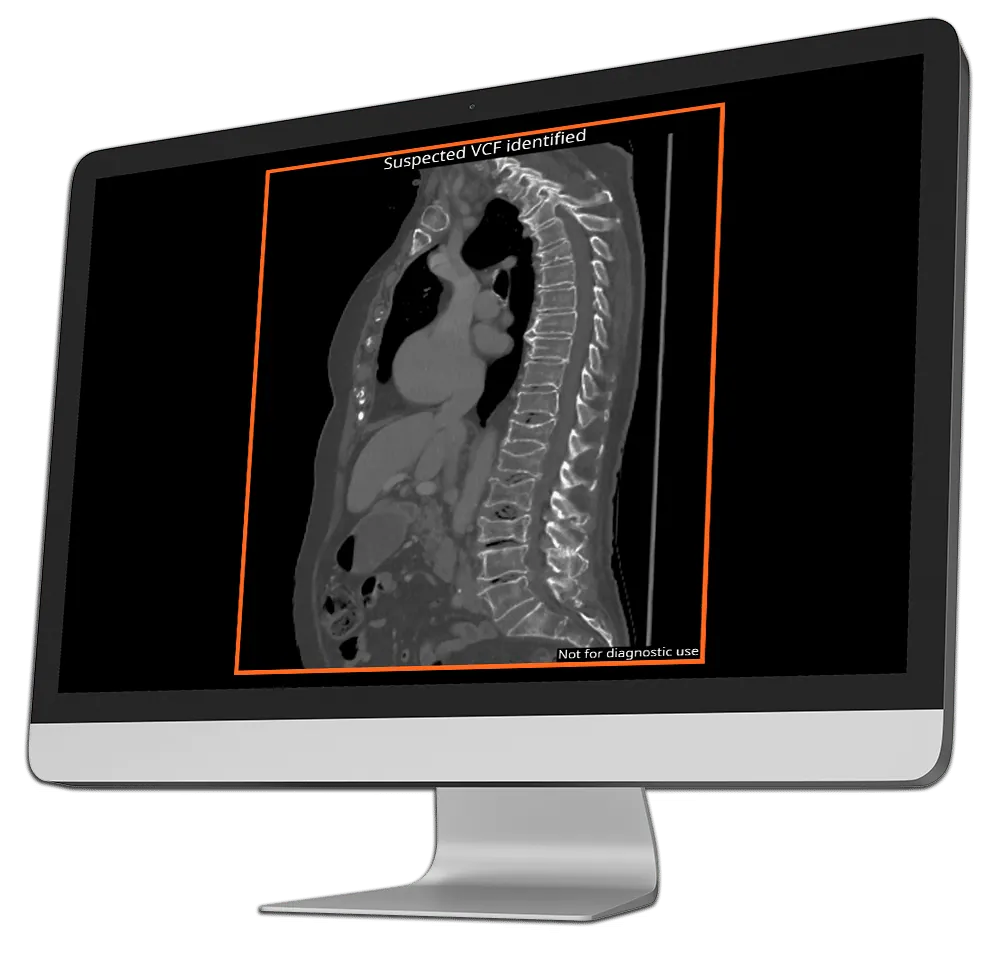 CINA-VCF · United States
Vertebral compression fracture
Flagged within about 23 seconds, before the report is signed.FDAView tool →
VCF measurements
Vertebral height loss measured per vertebra, from the scan already acquired.CEView tool →Explore the AI suites.
Stroke, PE, aortic dissection, cervical fracture
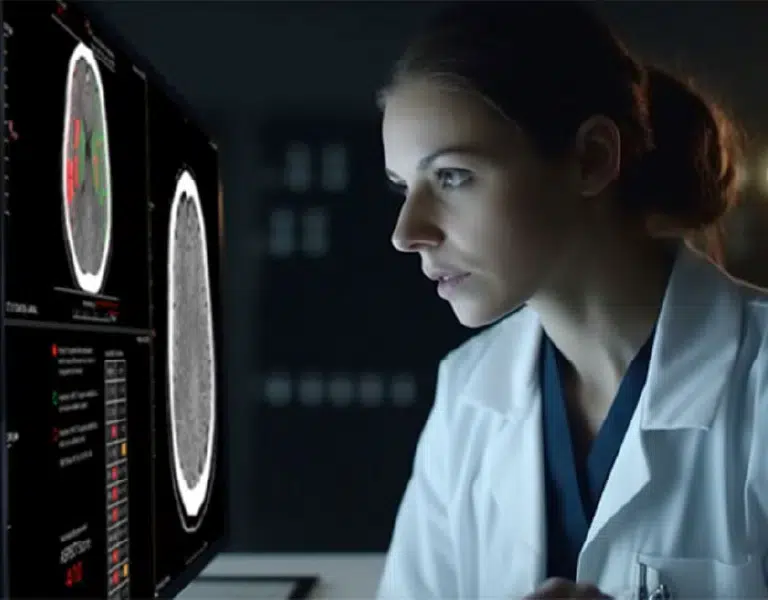
Stroke and head CT
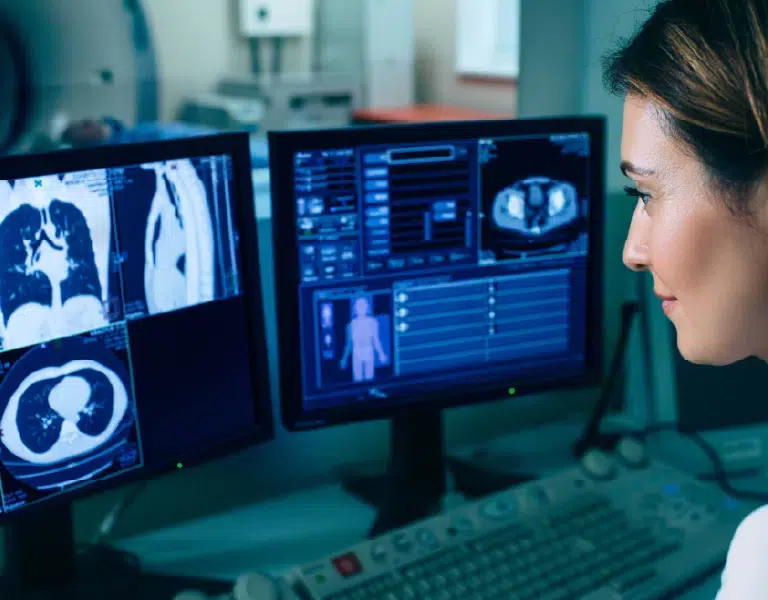
Pulmonary embolism and aortic dissection
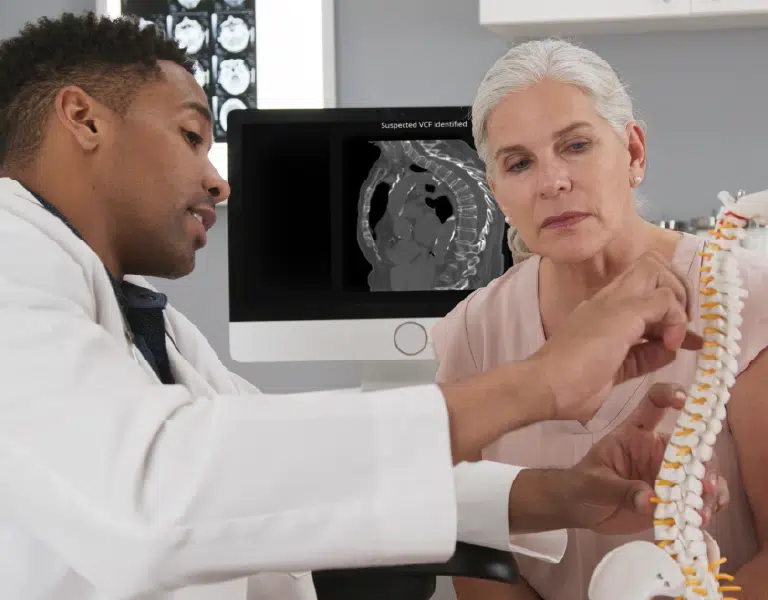
Cervical and vertebral fractures

Head and cervical spine in trauma
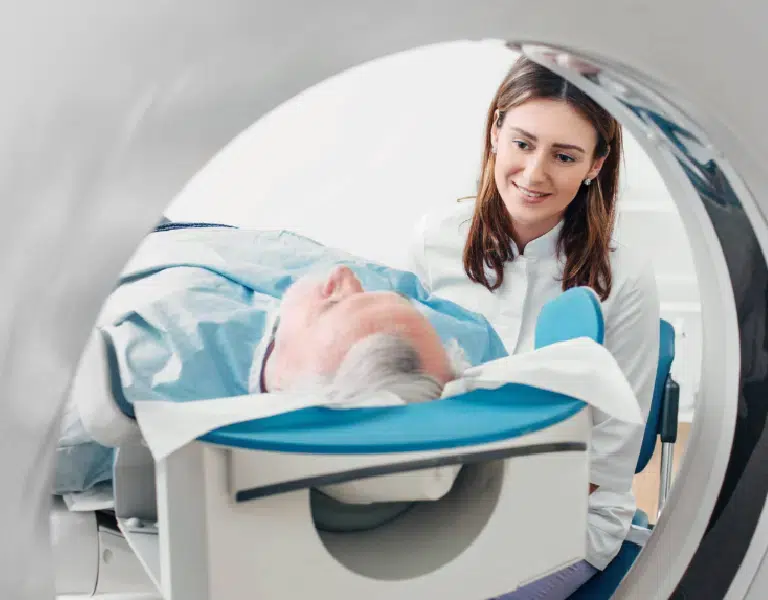
Findings on scans ordered for something else
Your questions, answered
Which AI tool is right for my department?
Each CINA tool targets a specific condition – intracranial hemorrhage, large vessel occlusion, pulmonary embolism, and more. Browse by anatomy above, or contact us to map your workflow to the right combination of tools.
Are Avicenna.AI's tools FDA-cleared and CE-marked?
Every CINA tool is either FDA-cleared, CE-marked under MDR, or both, depending on the tool and region. Regulatory status is listed on each tool page.
Can I deploy multiple CINA tools together?
Yes. CINA tools run on the AVI Platform or on a third-party platform, and integrate with your existing PACS, so multiple tools can run on the same incoming scans without added infrastructure.
All nine CINA tools, in one document
Complete the form below to download our brochure.