Neurovascular AI for Stroke and Head CT: Hemorrhage, LVO and ASPECTS
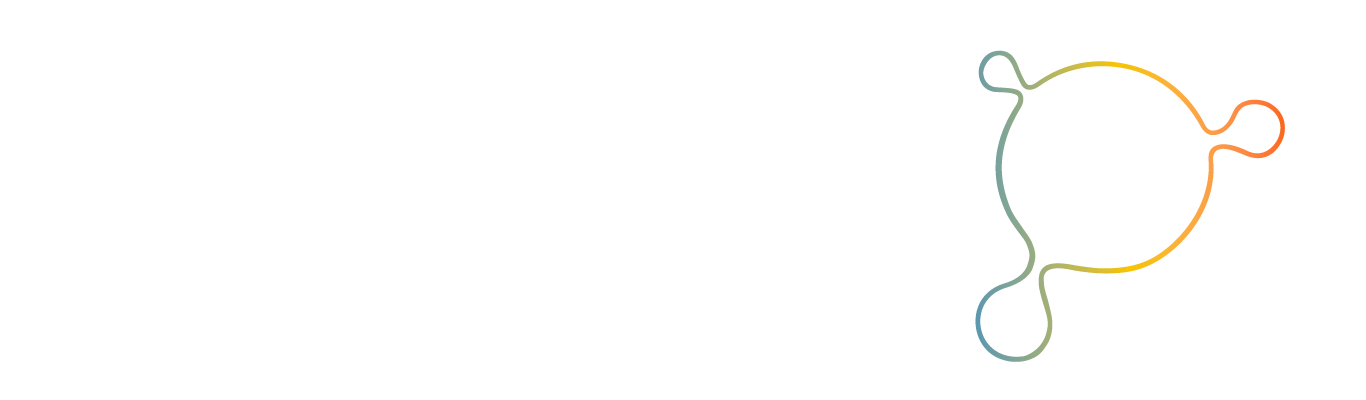
Acute stroke and traumatic brain injury start the same way: a non-contrast CT to rule out hemorrhage. For trauma, that’s often the whole picture. For stroke, once hemorrhage is ruled out, CT angiography locates the occlusion, and that same non-contrast scan is scored for ASPECTS to support treatment decisions. Each read is different, and at some centers, so is the specialist. Avicenna.AI’s tools cover both pathways, running automatically on the same infrastructure.
One patient. Three decisions.
CINA-ICH
The first scan is always a non-contrast CT. Before anything else is decided, hemorrhage has to be ruled out. CINA-ICH flags it before the radiologist opens the case.
CINA-LVO
Once hemorrhage is excluded, the CTA looks for the occlusion. CINA-LVO flags it immediately, so the case is read first.
CINA-ASPECTS
If an occlusion is confirmed, that same NCCT is scored for ASPECTS, a key input for treatment decisions. CINA-ASPECTS returns it automatically.
Validated in clinical practice.
Multicenter validation: high sensitivity and specificity across all hemorrhage types.
In a real-world emergency stroke workflow, average radiologist reading time was 6.5x faster, without loss of accuracy.
AI-assisted ASPECTS scoring improved reader accuracy and reduced reading time across experience levels.
A Radiologist’s Perspective
“When dealing with a stroke, time is of the essence, and being able to prioritize effectively is critical to saving lives and improving outcomes. Not only does CINA help radiologists to identify pathologies quickly, but also to highlight those that require the most urgent care.”

Your questions, answered
What AI tools does Avicenna.AI offer for neurovascular imaging?
Avicenna.AI offers three CE-marked and FDA-cleared AI tools for neurovascular CT imaging: CINA-ICH for intracranial hemorrhage detection, CINA-LVO for large vessel occlusion detection, and CINA-ASPECTS for automated ASPECTS scoring to support ischemic stroke assessment. All three tools run automatically on incoming scans and flag critical findings for radiologist review.
Do I need to deploy all three tools together?
Each tool can be deployed independently. Running all three lets Avicenna.AI cover the full stroke pathway automatically, from hemorrhage detection to large vessel occlusion and ASPECTS scoring.
Does this integrate with our existing PACS?
Yes. All three tools integrate via standard DICOM and run automatically on qualifying scans, with no manual trigger and no change to your existing workflow.
Who makes the final call?
The radiologist, always. CINA flags and prioritizes suspected cases so they reach the right reader faster. Every case is still reviewed, interpreted and confirmed by a radiologist.
Explore the other AI suites.
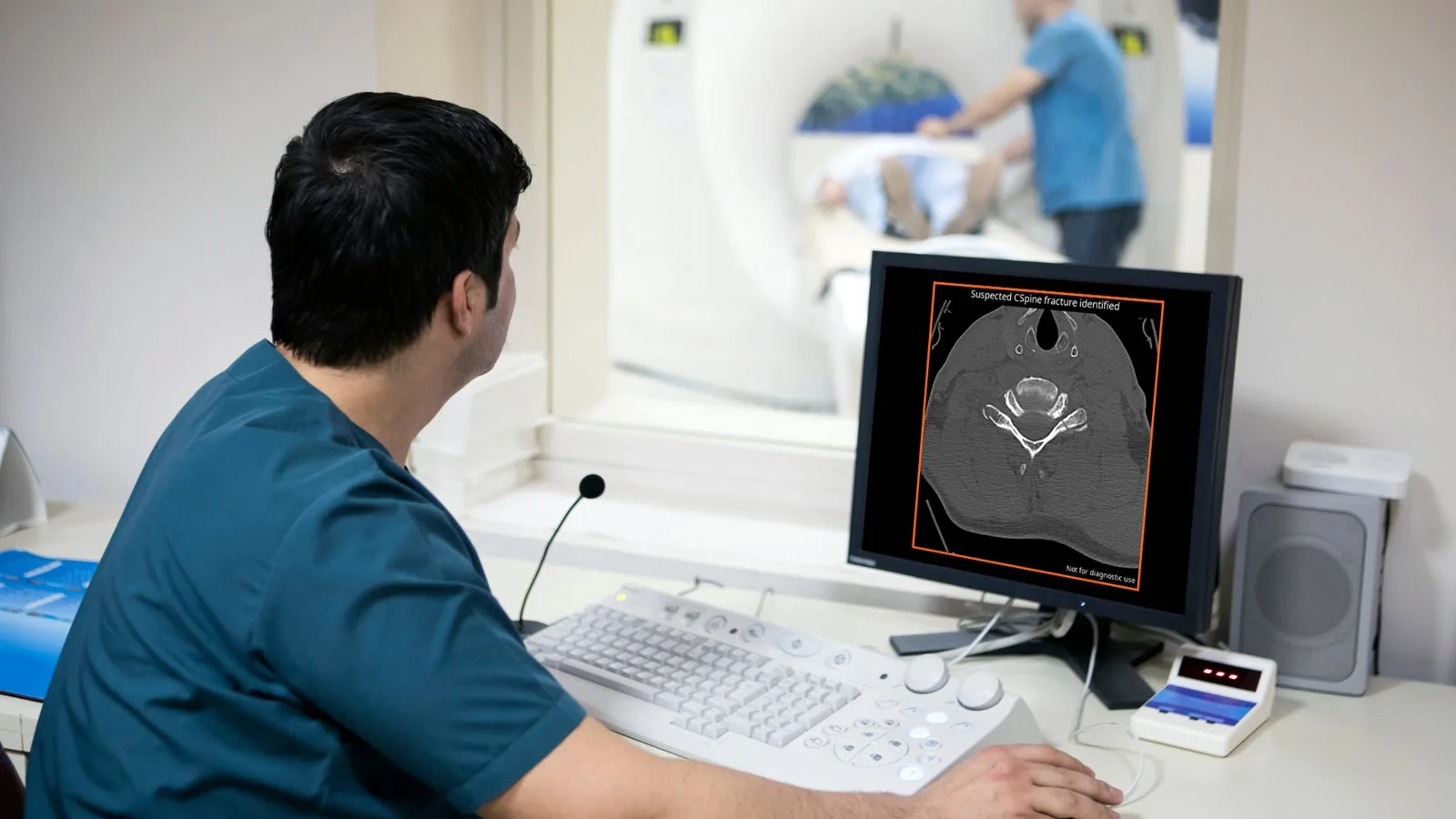
Stroke, PE, aortic dissection, cervical fracture
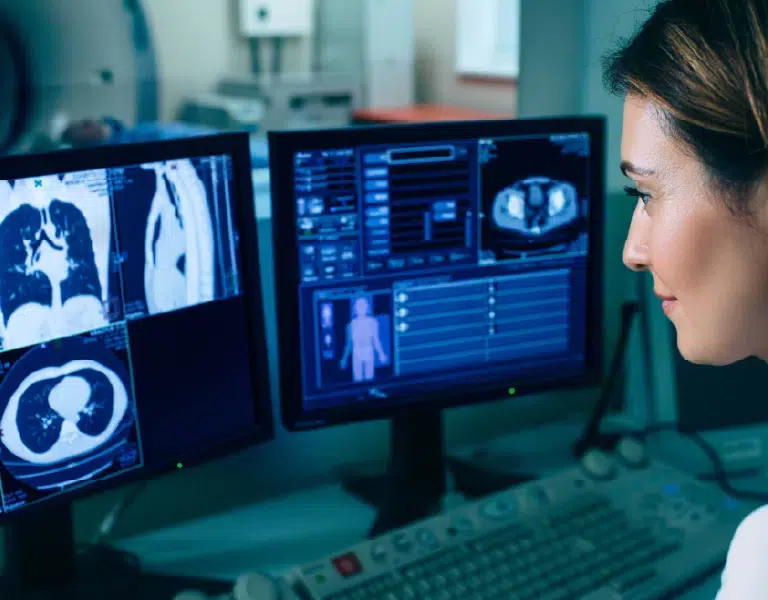
Pulmonary embolism and aortic dissection
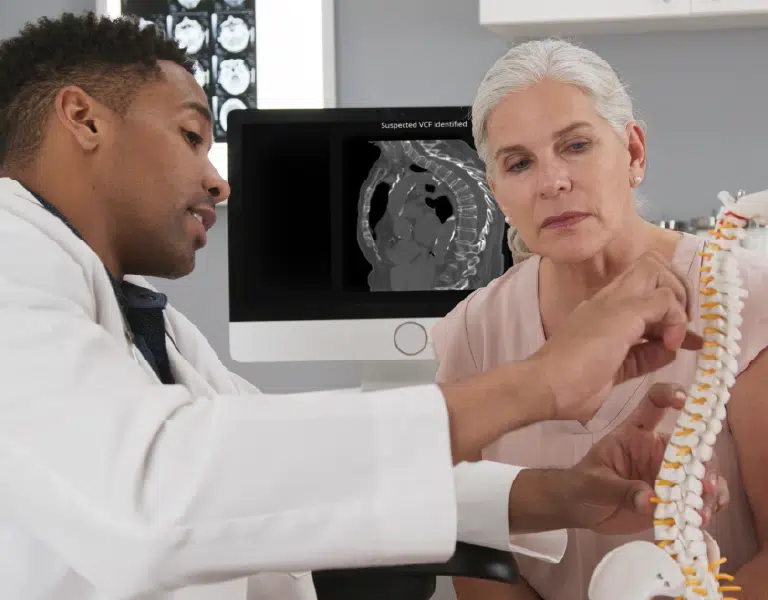
Cervical and vertebral fractures
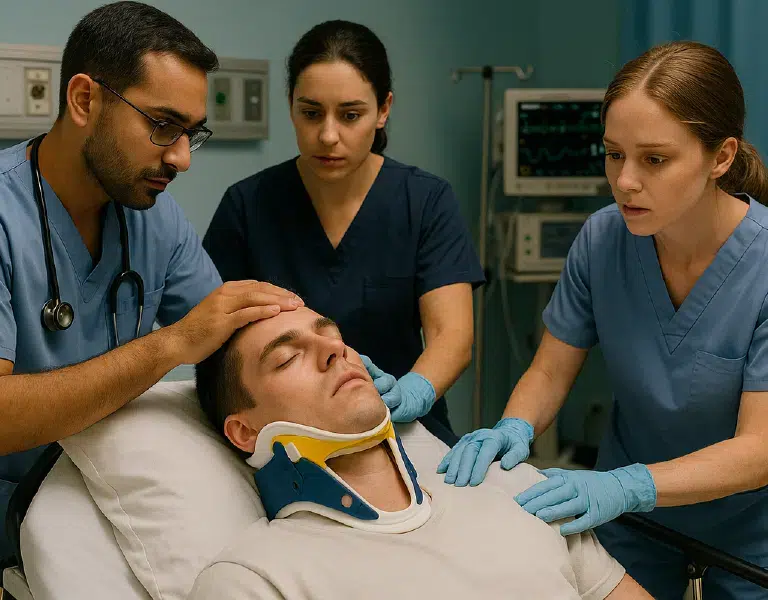
Head and cervical spine in trauma
Findings on scans ordered for something else