
Incidental findings AI for Incidental Pulmonary Embolism and Vertebral Fractures on CT
A CT ordered for one reason can hold a finding nobody was looking for: a pulmonary embolism, a vertebral fracture, a brain aneurysm. Our AI tools run on the scans already acquired and flag these incidental findings.
None of them suspected.
CINA-iPE
PE isn’t suspected: the chest, abdominal or CAP scan is acquired for staging or another indication, with non-arterial timing. CINA-iPE was built for exactly this context, flagging incidental clots before discharge.
CINA-VCF
A scan ordered for something else entirely, oncology staging or a routine workup, holds a vertebral compression fracture nobody was looking for. CINA-VCF flags it within 23 seconds.
CINA-VCF Quantix
The same opportunistic finding, quantified: outside the US, CINA-VCF Quantix measures vertebral height loss, all from the scan already acquired.
UPTUNITY™ | Aneurysm Detection
A CTA for a stroke workup, a trauma, a headache: a small aneurysm can sit in plain view. UPTUNITY™ | Aneurysm Detection flags each suspected saccular aneurysm greater than 3 mm, with its vessel, side and size.
UPTUNITY™ | Aneurysm Management
An aneurysm that grows is one that can rupture. UPTUNITY™ | Aneurysm Management measures a known aneurysm in 3D and compares it with the prior scan, to show whether it is changing. Always used together with UPTUNITY™ | Aneurysm Detection.
Validated in clinical practice.
At Gustave Roussy, 3,047 oncology surveillance scans: how often incidental PE was overlooked without AI, and what changed with CINA-iPE.
474 chest and abdominal CT scans of patients aged 50 and over, in several countries: 95.2% sensitivity, AUC 0.97.
100 patients on opportunistic CT: 94.9% vertebral labeling agreement with radiologists.
A Customer’s Perspective
“We are very pleased with the integration of CINA-iPE into our teleradiology workflow. This demonstrates the concrete value of artificial intelligence as a complementary tool to human expertise, including unexpected incidental findings that would otherwise have been overlooked.”
Your questions, answered
What counts as an incidental, or “opportunistic”, finding?
A clinically significant finding on a scan that was ordered for an unrelated reason. The exam wasn’t looking for it, so it’s easy to overlook unless something is actively flagging it.
Does this integrate with our existing PACS?
Yes. All tools integrate via standard DICOM and run automatically on qualifying scans, with no manual trigger and no change to your existing workflow.
Who makes the final call?
The radiologist, always. CINA flags and prioritizes suspected cases so they reach the right reader faster. Every case is still reviewed, interpreted and confirmed by a radiologist.
See it in a real clinical case
Complete the form below to access the CINA-VCF Quantix case study.
Explore the other AI suites.
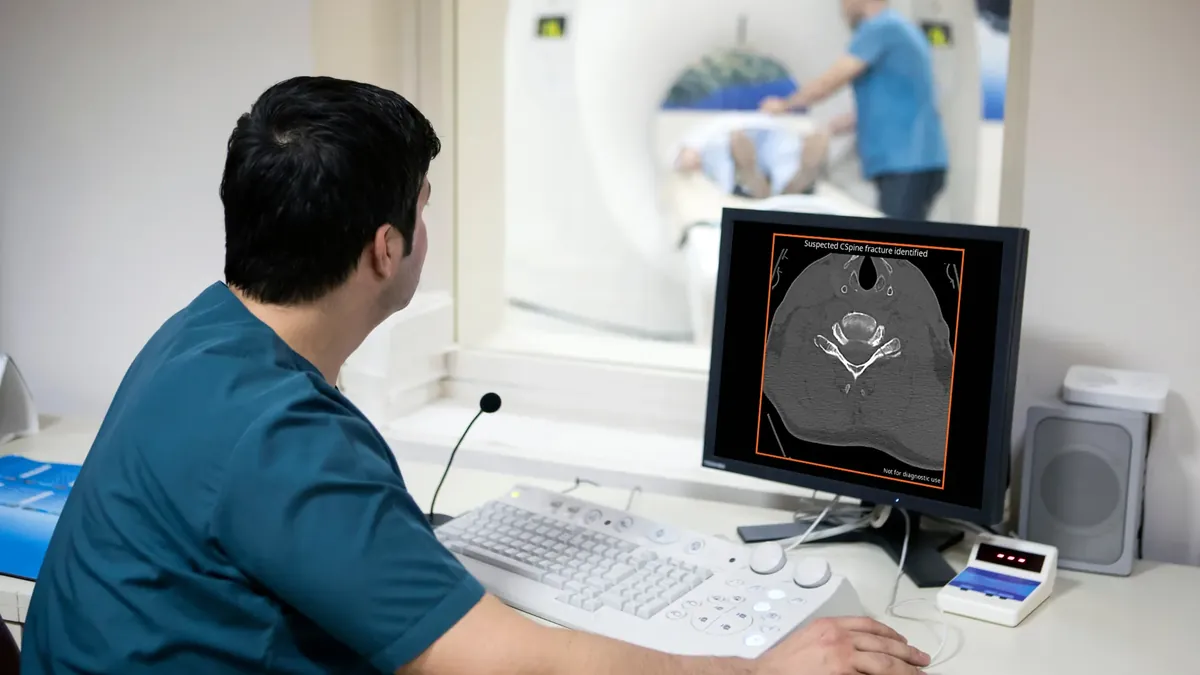
Stroke, PE, aortic dissection, cervical fracture
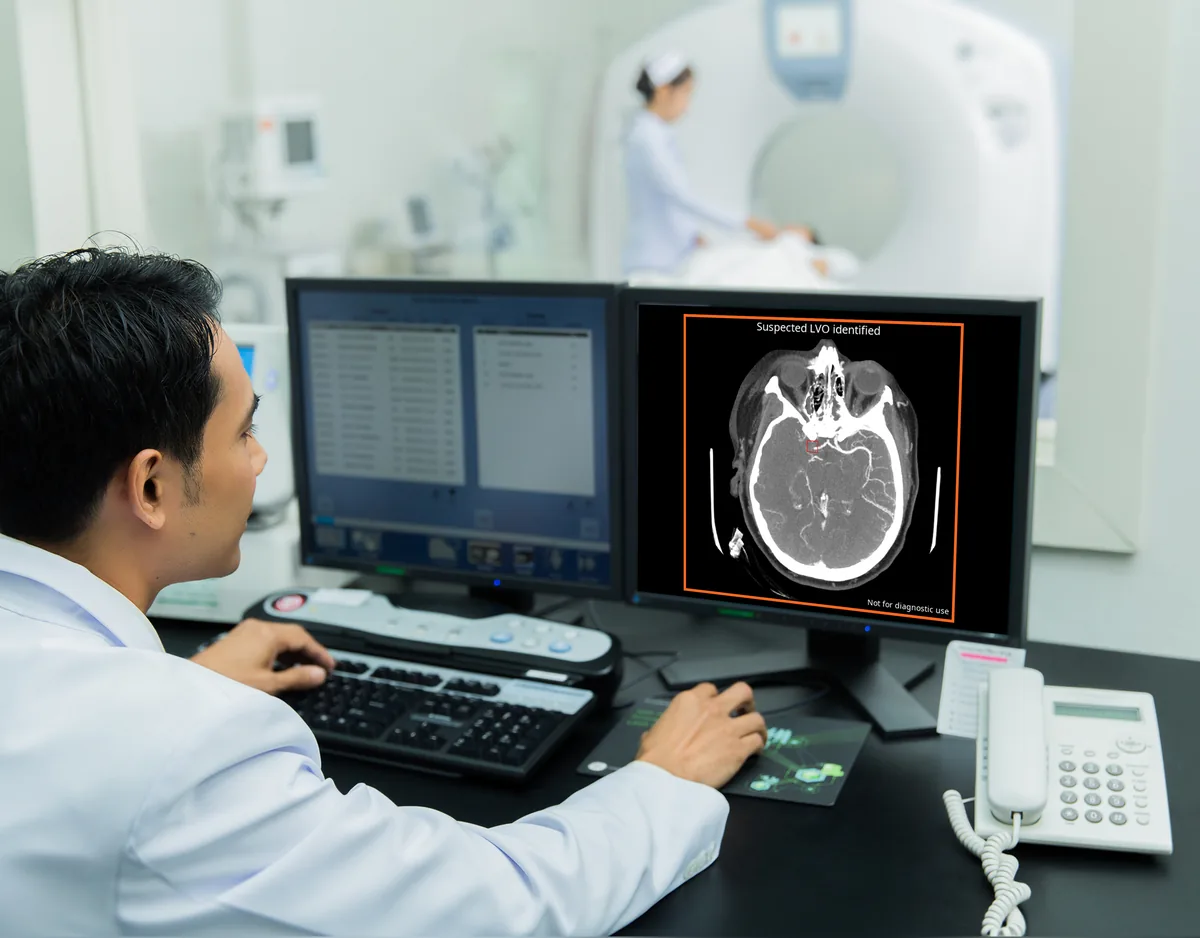
Stroke and head CT
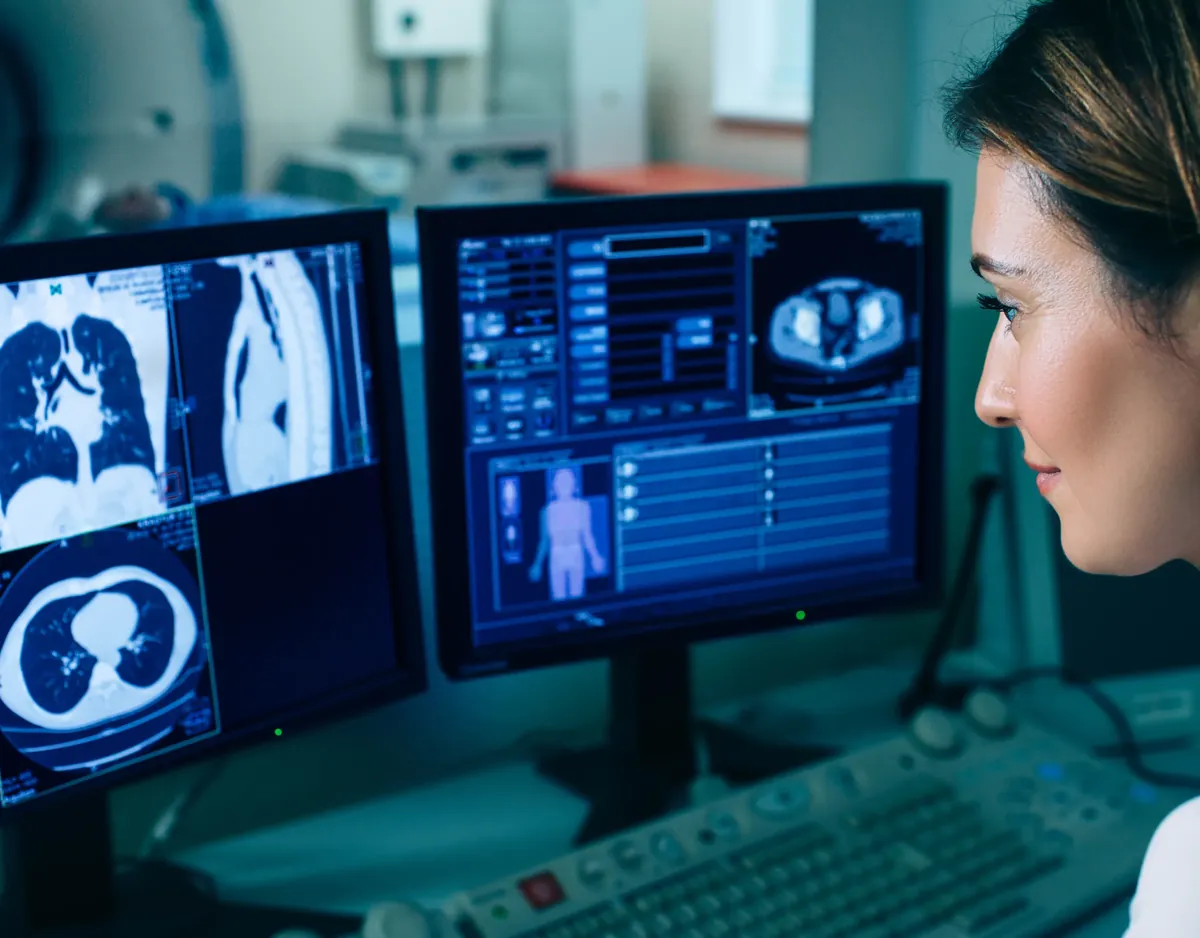
Pulmonary embolism and aortic dissection
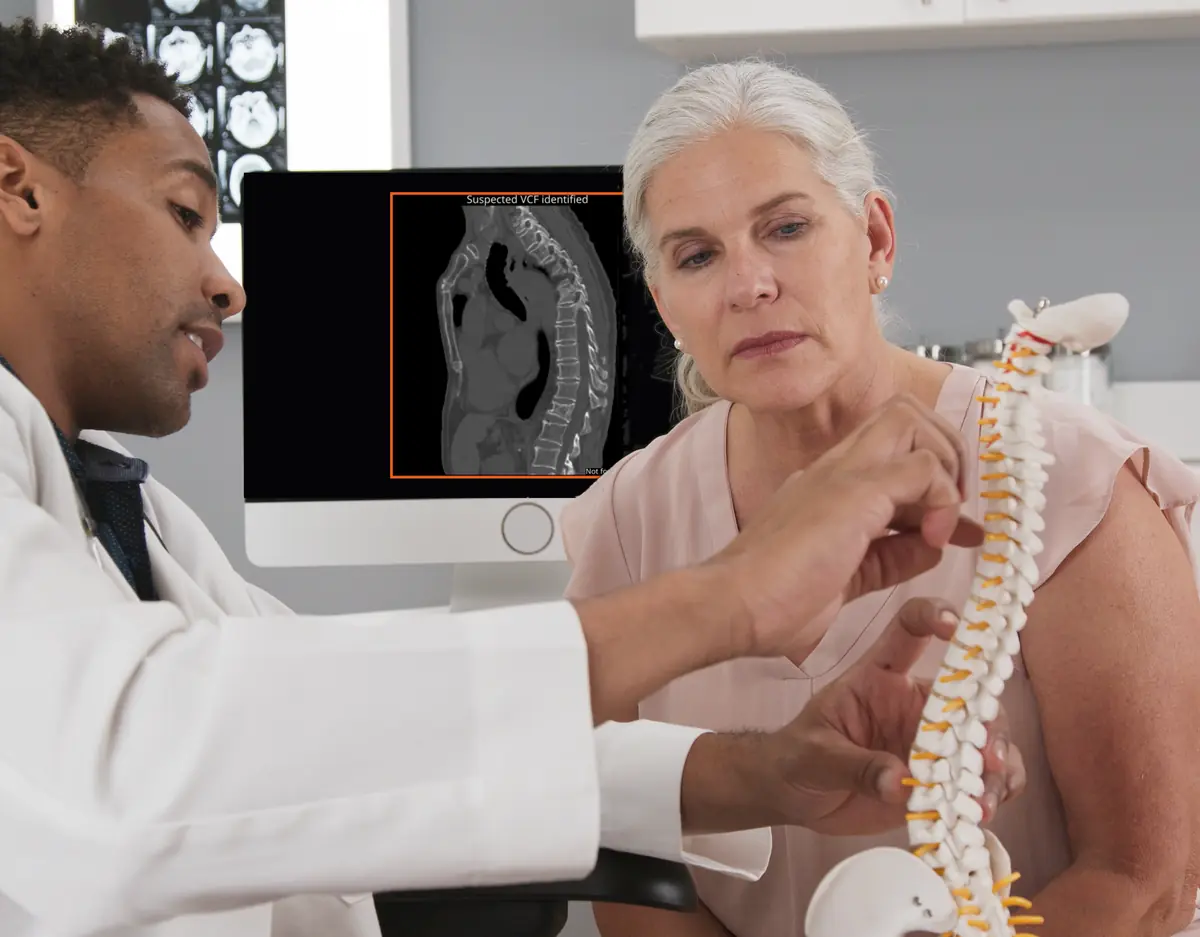
Cervical and vertebral fractures

Head and cervical spine in trauma